


How Do I Choose the Right Pool Furniture for In-Water Use? A Smart Homeowner's Guide to Style, Safety, and Long-Term Durability

Think Your Pool Is Leaking?
The Mini Bucket Test helps you determine whether your pool is leaking or simply losing water to evaporation.
Get Smarter About Your Pool
Practical pool-care tips, leak detection advice, and helpful guides delivered to your inbox.
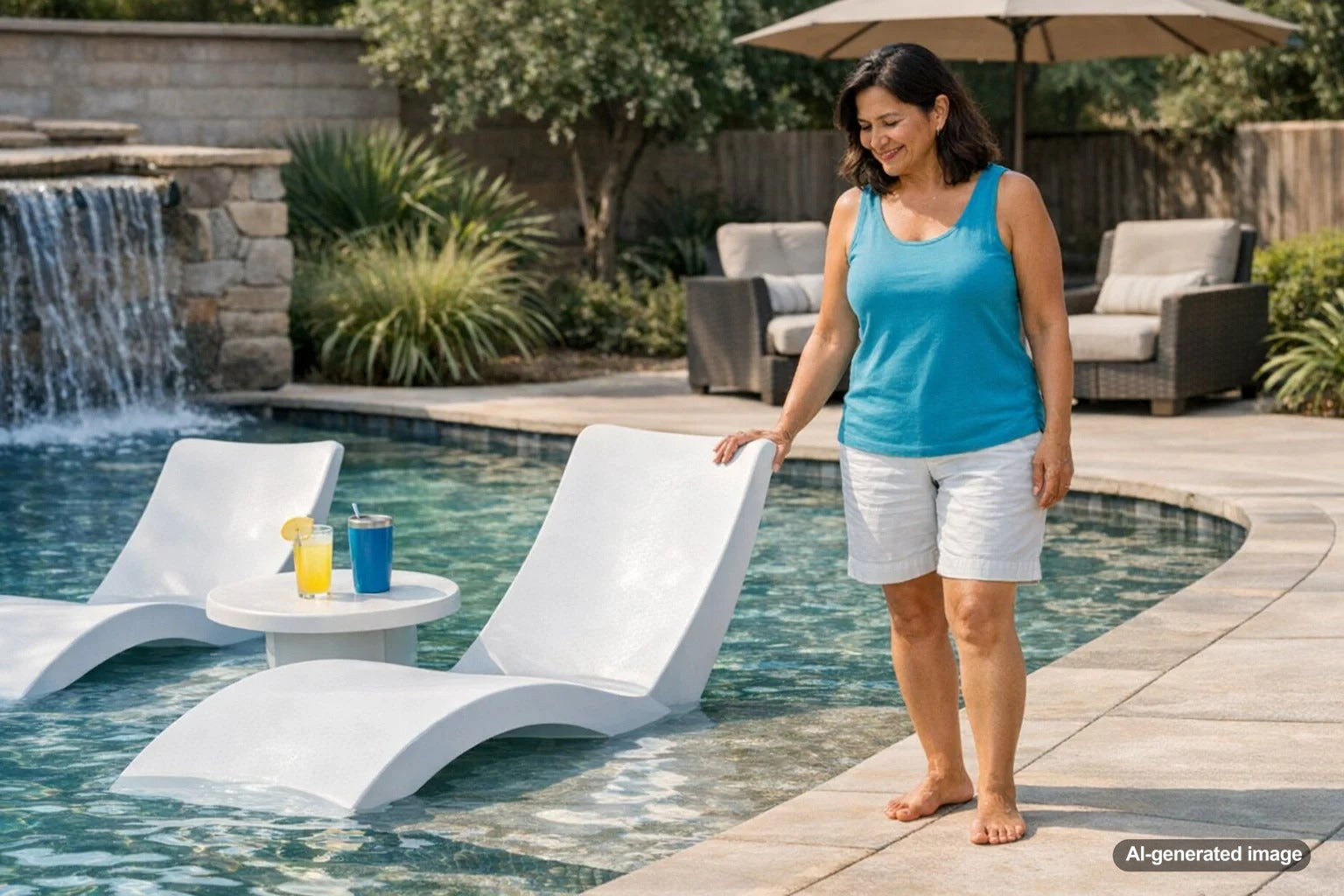
You deserve to know how to choose pool furniture that actually works with your pool, not against it. In-water furniture has become a popular upgrade for tanning ledges and shallow lounging areas, but not all pieces are built for long-term exposure to water, chemicals, and sun. Choosing the wrong material or design can lead to fading, staining, floating issues, or even damage to your pool surface. A little planning upfront can save you from expensive replacements and frustrating maintenance problems later on.
Understand Your Pool’s In-Water Environment
Before you start shopping, it helps to understand the unique conditions your furniture will face. Pool water is not just water. It contains sanitizers like chlorine or salt, fluctuates in temperature, and reflects intense UV exposure.
These factors affect materials differently. For example, saltwater pools are known to accelerate corrosion on lower-grade metals, while heavily chlorinated pools can break down certain plastics over time. If your pool has a tanning ledge, you also need to consider water depth, which determines how stable or buoyant furniture will be.
Key environmental factors to consider:
- Water chemistry levels and sanitizer type
- Sun exposure and UV intensity
- Water depth on the ledge or shelf
- Surface type such as plaster, vinyl, or fiberglass
Choose Materials That Are Truly Pool-Safe
Not all outdoor furniture is suitable for submerged use. Many pieces labeled "weather-resistant" are not designed to sit in water for extended periods.
Look for materials specifically engineered for in-pool use. High-quality polyethylene and UV-stabilized resin are common choices because they resist fading, cracking, and chemical damage. Marine-grade fabrics also perform better for cushions and sling seating.
Watch out: Lower-quality plastics can become brittle after a single season in direct sun and chlorinated water. This often shows up as chalky residue, fading color, or small cracks along stress points.
Metal furniture can work in some cases, but only if it is powder-coated and rated for pool environments. Even then, it is usually better suited for poolside rather than fully submerged placement.
Make Sure the Furniture Is Designed for Water Depth
This is one of the most overlooked details. In-water furniture is typically designed for very specific water depths, often between 5 and 9 inches.
If your tanning ledge is deeper than recommended, the furniture may become unstable or shift. If it is too shallow, pieces may not sit correctly or could scrape the pool surface.
Some furniture lines offer fillable bases that use water or sand to add weight. These can help keep items anchored, but they still need to match your ledge depth for proper function.
Protect Your Pool Surface
Your pool finish matters more than most homeowners realize when adding furniture. Vinyl liners, for example, are more vulnerable to damage from sharp edges or shifting furniture.
Fiberglass pools can also develop surface scuffs if furniture is dragged or improperly weighted. Plaster finishes are more durable but can still show wear over time if furniture constantly moves.
Surface protection tips:
- Look for furniture with smooth, rounded bases
- Avoid dragging pieces across the pool floor
- Check for debris trapped under furniture before repositioning
- Choose designs made specifically for your pool type
Consider Weight, Stability, and Floating Risk
One common frustration with in-water furniture is unexpected floating. Lightweight pieces may shift during pool use or even drift when the pump is running.
This is especially noticeable in pools with strong return jets or attached spas that create water movement.
Heavier, water-fillable furniture tends to stay put better, but it also needs to be easy enough to reposition for cleaning. Striking the right balance between stability and usability is key.
Think About Maintenance and Cleaning
Furniture in water will collect sunscreen residue, body oils, and fine debris over time. This buildup can lead to discoloration if not cleaned regularly.
Light-colored furniture may show staining faster, especially in pools with inconsistent water chemistry. Regular rinsing and occasional gentle scrubbing can extend the life of your furniture.
Pool Owner Tip: If you notice changes in water clarity or unexpected residue buildup around furniture areas, it may be worth checking whether your pool is losing water faster than expected. A simple tool like the Mini Bucket Test can help you compare normal evaporation to possible leak-related water loss. It is not a definitive diagnosis, but it can help you decide whether further investigation is needed.
Match Style With Function
While durability matters, aesthetics still play a role. In-water furniture is often a focal point, especially on tanning ledges designed for relaxation and entertaining.
Look for designs that complement your pool shape and outdoor space. Clean lines tend to work well with modern pools, while curved or textured styles can soften more traditional designs.
Color choice also affects maintenance. Darker colors hide stains better but may absorb more heat, while lighter tones stay cooler but require more frequent cleaning.
What Pool Owners Often Miss
There are a few subtle factors that often get overlooked during the buying process:
- Water circulation: Large furniture pieces can block flow on shallow ledges, leading to uneven chemical distribution.
- Sun shelf slope: Some tanning ledges are slightly angled, which can affect how evenly furniture sits.
- Seasonal storage: In colder climates, furniture may need to be removed or stored to prevent freeze damage.
- Compatibility with covers: Automatic pool covers may not function properly with furniture left in place.
Bottom Line
Choosing the right in-water pool furniture comes down to understanding your pool environment, selecting durable materials, and making sure the design matches your specific water depth and surface type. When done right, these pieces can transform your pool into a comfortable, functional space without adding maintenance headaches. A thoughtful approach helps you enjoy the upgrade without unexpected problems down the road.
For more pool care insights and related topics, you can explore pool maintenance tips and troubleshooting guides.